
In high-intensity industrial insulation and kiln thermal insulation scenarios, the quality of ceramic fiber blankets directly determines equipment operational safety and energy consumption costs. With varying product quality on the market, how can you quickly and accurately assess their quality? By mastering the following 3 core dimensions, you can easily select cost-effective, high-quality products.
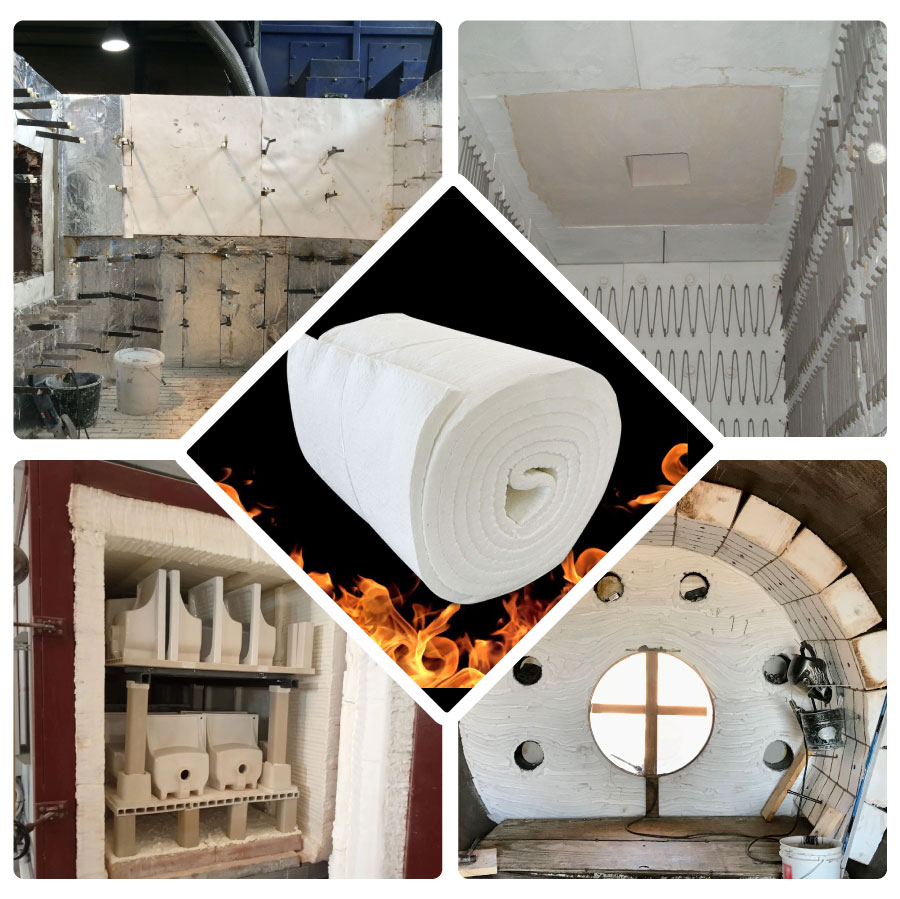
Check Appearance and Density: High-Quality Products "Speak for Themselves at a Glance"
High-quality ceramic fiber blankets feature a smooth and uniform surface with no noticeable protrusions, cracks, or impurity spots. The fiber distribution is fine and free of clumps. They feel soft and elastic to the touch, with minimal residue shedding or breakage. During selection, you can compare density by simply weighing the product—for blankets of the same thickness, those with qualified density (typically 96–128 kg/m³, depending on the application scenario) are more durable and offer more stable thermal insulation performance. If the product feels too light, too thin, or has loose fibers, it is likely a substandard product with compromised materials, prone to deformation and detachment after long-term use.

Test Key Performance: Verify Authenticity with "Practical Methods"
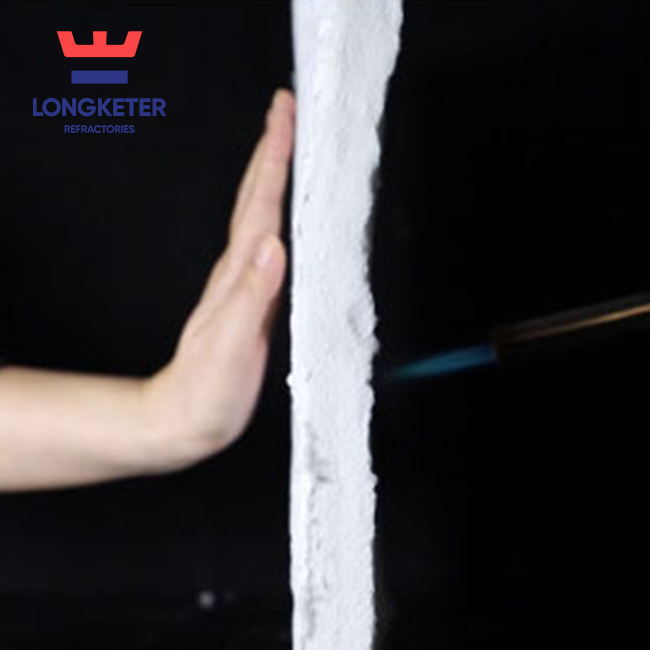
High-temperature resistance is a core indicator. High-quality ceramic fiber blankets can withstand temperatures of 1000–1400°C (corresponding to the product model). When selecting, request a sample from the supplier and briefly expose its edge to a lighter flame. If there is no open flame, no pungent odor, and no significant shrinkage or deformation after cooling, the high-temperature resistance is essentially qualified. Conversely, if there is smoke, melting, or a plastic-like smell, the product is substandard.
Additionally, you can use the "hand temperature test" to assess thermal insulation performance: touch the blanket covering the heat source surface. If the outer temperature remains low with no noticeable heat penetration, it indicates good insulation effectiveness. Moreover, high-quality products dry easily after absorbing water and retain their performance after drying, whereas inferior products may suffer structural damage due to water absorption.
Verify Certifications and Brands: “Professional Endorsements” Mitigate Risks
Ceramic fiber blankets produced by reputable manufacturers carry internationally recognized quality certifications such as CE certification and ISO standard system certification. Domestic products must also possess GB/T standard test reports. When purchasing, always request suppliers to present relevant certificates to avoid buying counterfeit products.
Ceramic fiber blankets produced by reputable manufacturers carry internationally recognized quality certifications such as CE certification and ISO standard system certification. Domestic products must also possess GB/T standard test reports. When purchasing, always request suppliers to present relevant certificates to avoid buying counterfeit products.


Get Price
Email:

Please feel free to submit your inquiry using the form provided below, and we will provide you with a quote within 24 hours.


